AMBER.
A BERLIN
STUDIO STORY.
From the first Amber studio through independent labels and international productions to studio design – the story of an independent Berlin sound.
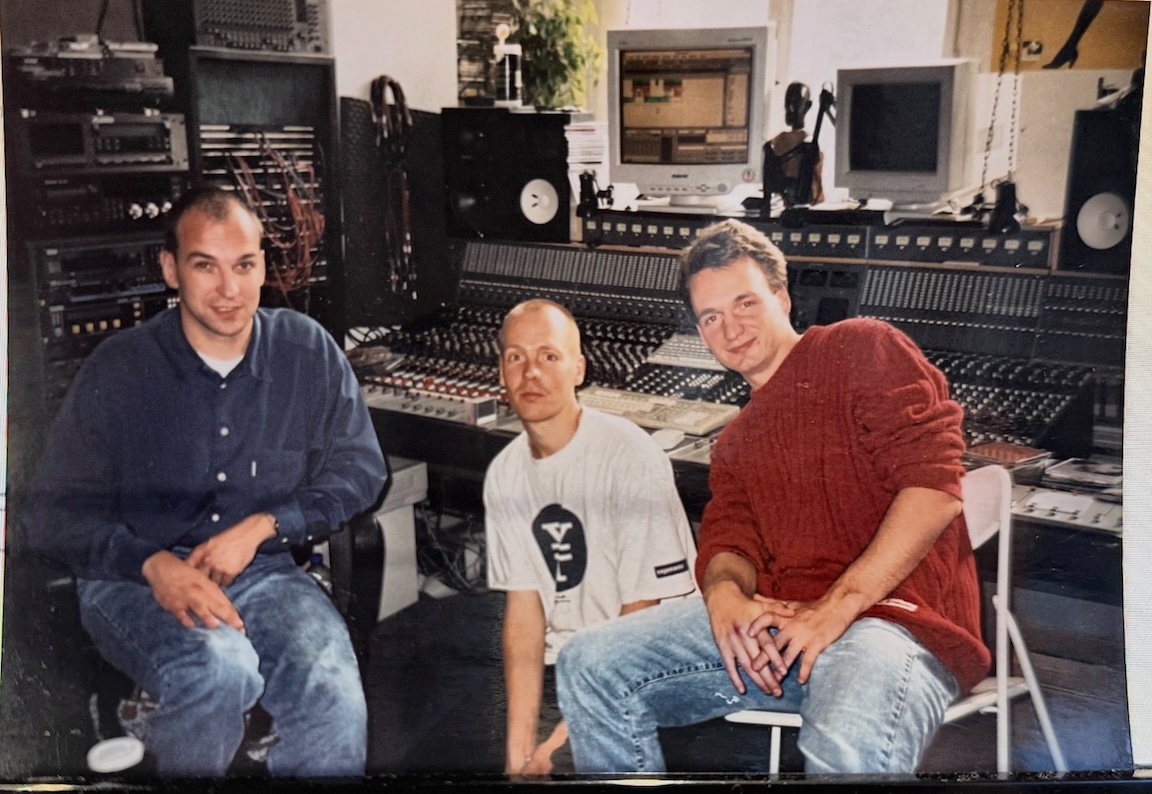
It all began on Yorckstraße.
Together with Doris Dischner, George Brasch founded the first Amber Studio there – in an era shaped by analogue tape machines, large mixing consoles and live musicians. Hours were spent refining sounds, arrangements and recordings until every detail was right. From the beginning, the studio worked with its own artists as well as established names from Berlin and the international music scene.
The next step: Amber Records.
The first Amber EP and a compilation of previously unreleased music spanning Soul, Jazz and Acid Jazz marked the beginning of the label. Amber Records deliberately remained independent, building its own production, distribution and promotion structures.
Success followed quickly: the first compilation, Cool Struttin’ Volume 1, brought together previously unreleased tracks from around the world, spanning soul and acid jazz. It sold more than 20,000 copies and was released in Canada and Japan – all independently. For an independent Berlin label, this was a remarkable achievement at a time when techno and Eurodance dominated the music scene, and it laid the foundation for Amber’s continued growth.
Polydor. Reichenberger Straße. Two new studios.
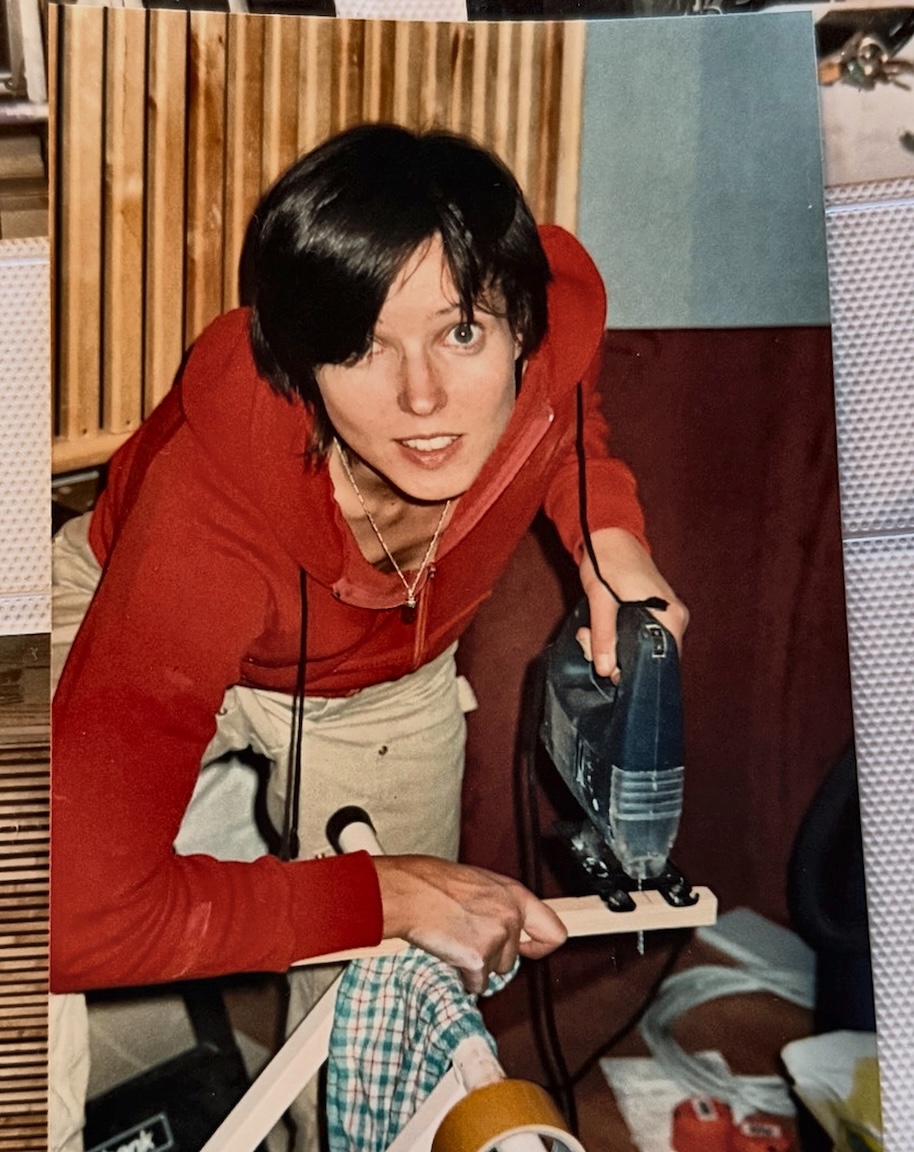
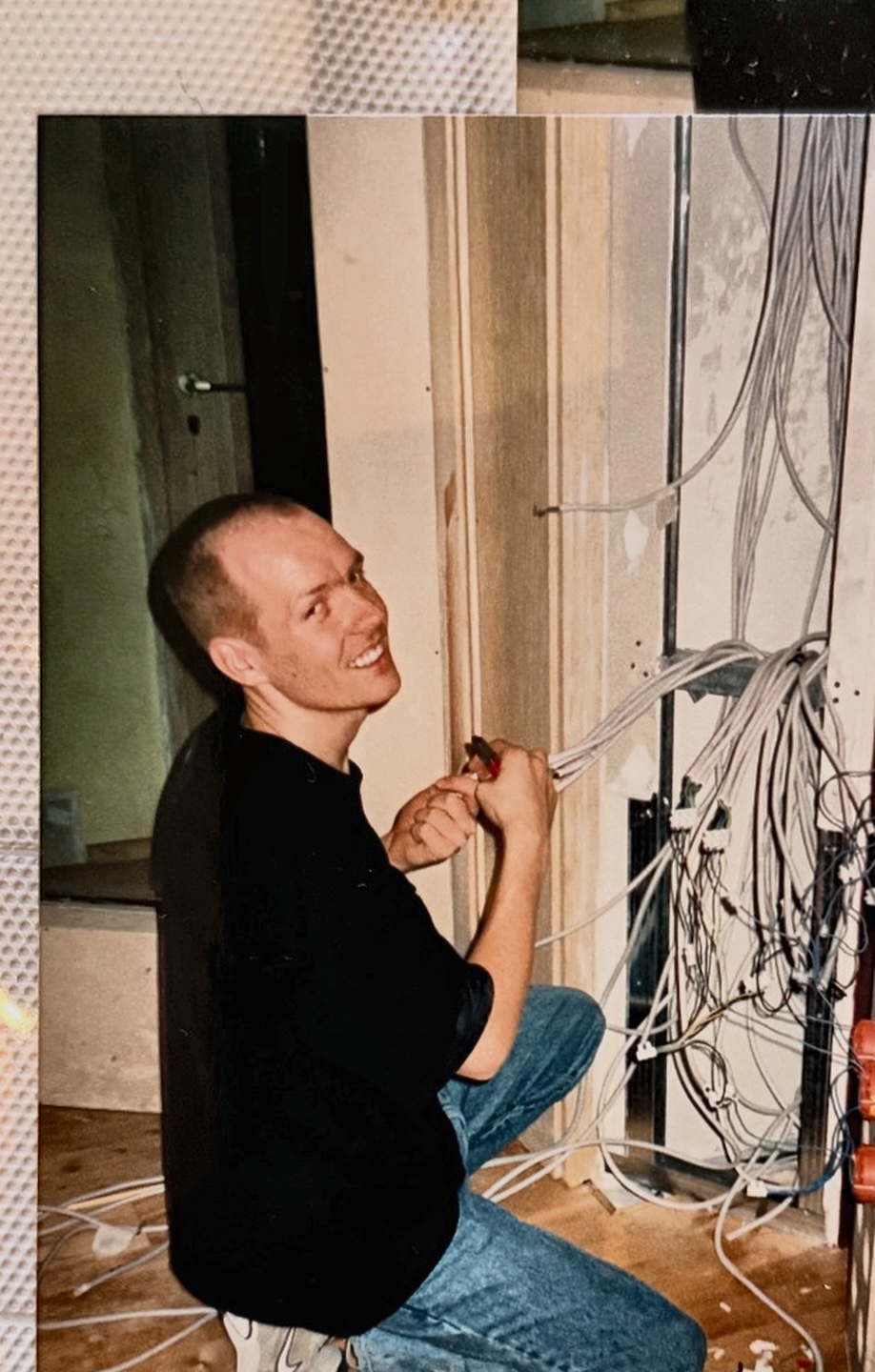
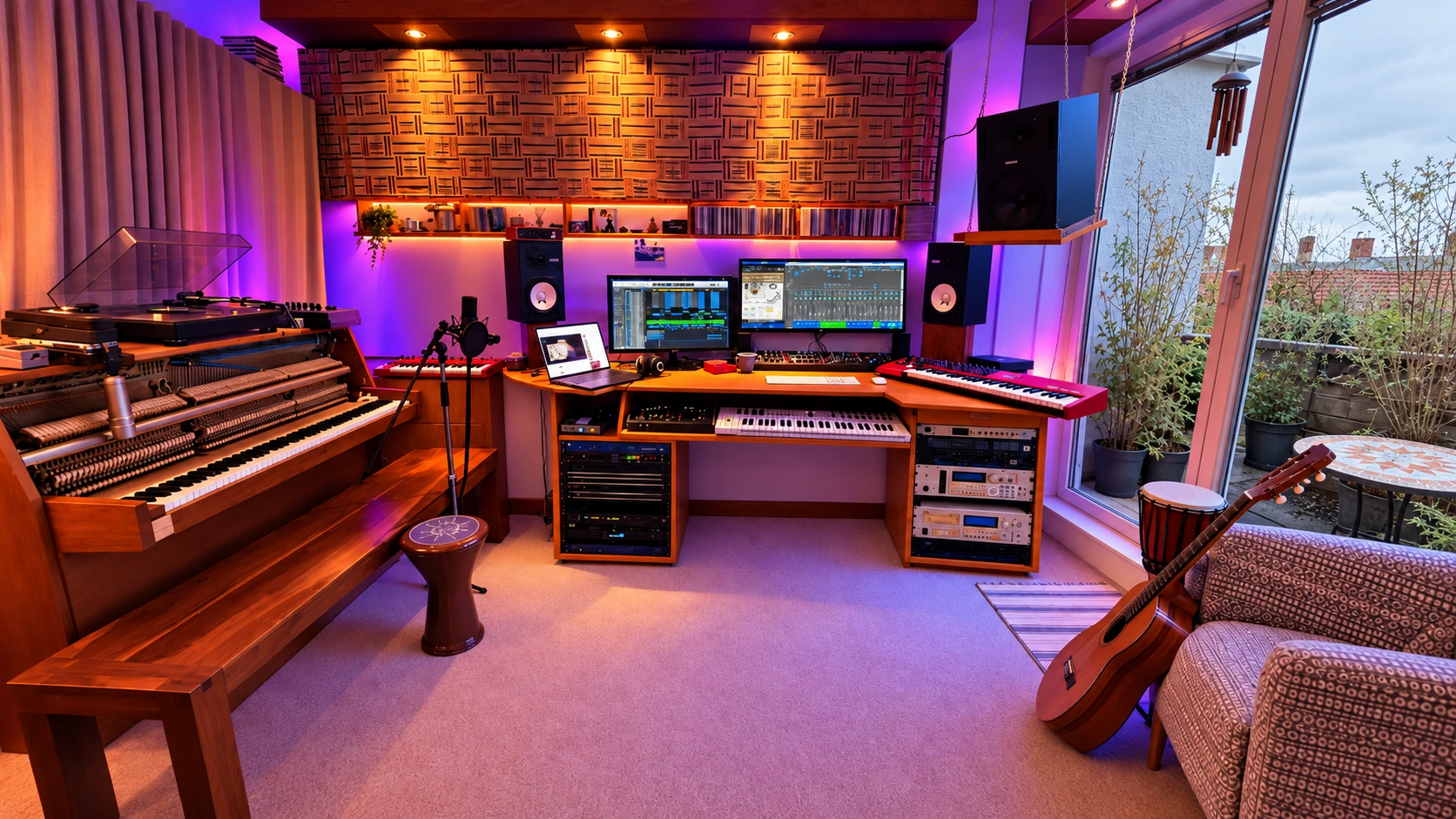
Amber began collaborating with Polydor. At the same time, two new Amber studios took shape on Reichenberger Straße. George Brasch planned and built the spaces, designing their acoustics for professional music production. Amber soon became an established destination in Berlin, including for the international music industry.
One place. Many musical worlds.
International artists, producers and musicians were constantly coming through Amber's doors. Names including RZA of the Wu-Tang Clan, Xavier Naidoo, Barrington Levy, Gentleman, Till Brönner, Kool Savas, Azad, M.O.R., Curse, Afrob, Sékou, Beenie Man, Anthony B, Ja Rule, Christina Milian, R. Kelly, Seeed, Katja Riemann and Saint Etienne are only a few examples of the extraordinary range of artists who crossed paths with Amber over the years.
From Soul, Jazz and R&B to Hip-Hop, Reggae, Dancehall and Pop, different musical worlds met under one roof. This mix defined Amber Studios: a place where international sounds, the Berlin scene and a wide range of musical genres came together.
Recording, production, mixing, arranging and experimentation happened here – long before music production became largely a matter of laptops and presets.
ROOM ACOUSTICS,
SOUND AND MIXING.
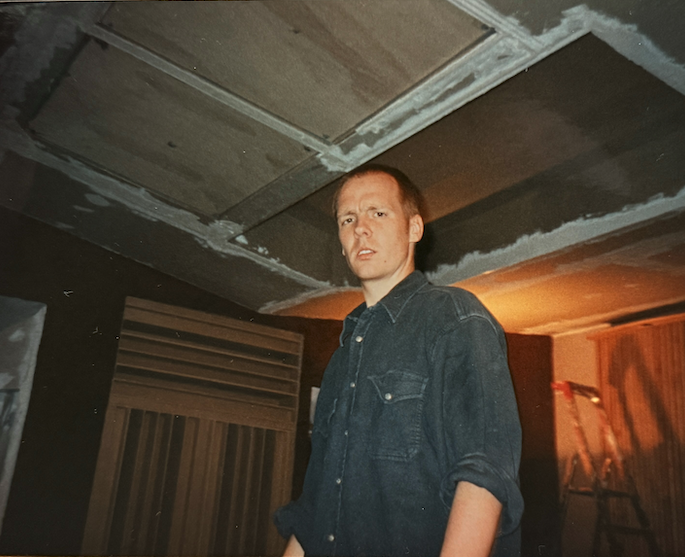
George Brasch was not only active as a producer, recording and mixing engineer. He also developed a second major strength: the acoustic design of studios.
Anyone who listens to the way sound behaves in a room every day for decades develops a different understanding of acoustics from someone working with formulas alone.
Experience hears things before they can be measured.
That understanding informed the planning and construction of the Amber Studios and, later, other studios in Berlin.
It was never simply about hanging absorbers on walls. The essential question was always: How should a room be built so music can come alive within it?
Controlled bass, precise midrange, a reliable stereo image – and a space in which musicians feel at ease. For George Brasch, technical precision and musical instinct have always gone hand in hand.
New structures. New productions.
Around 2003, the international music industry changed radically. Physical sales fell, budgets shrank and many studios had to rethink their structures. Amber became more compact, but the work continued.
During this period George Brasch created numerous productions and mixes, including work associated with Seeed, such as “She Got Me Twisted”, “Pressure”, “Shake Baby Shake” and “What You Deserve Is What You Get”. Seeed’s Next! (2005) reached No. 2 on the German album chart and earned triple Gold. “Pressure” also appeared on the band’s 2006 Live album and accompanying concert DVD. The Live CD was certified Platinum, while the DVD earned triple Gold in Germany – a testament to the reach of the productions associated with Brasch’s studio work.
At the same time, close ties developed with the German Reggae and Dancehall scenes, particularly around Rootdown Records. Artists such as Nosliw, Jaqee, Maxim and Koalas Desperados belonged to the generation that shaped German Reggae in the 2000s.
Through this period, Amber remained a place where the goal was not simply technical work, but helping music find its own character.
From Amber Studio to new spaces.
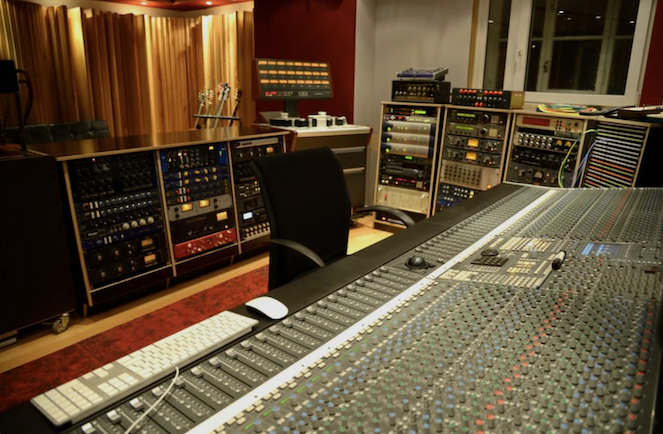
The large Amber studio on Reichenberger Straße later passed into the hands of producer Patrik Majer, known for his work with Wir sind Helden.
Part of the original studio philosophy lived on: rooms in which music could be developed, rather than simply recorded.
Beyond the Amber Studios, George Brasch also designed and developed production spaces and studios for other musicians in Berlin. These projects included facilities for musician Dejan Jovanović and acoustic concepts and studio planning for Berlin DJs and producers Chopstick & Johnjon, founders of the acclaimed House label SUOL.
Architecture, acoustics and music must form a single whole.
A great studio room is not created on paper alone. Anyone who produces, records and mixes understands how much every reflection, every room mode and even small changes in the listening position can affect a production.
Someone with a feel for music and years of engineering experience in how sound waves behave in a room brings something beyond theory and mathematics: they do not merely hear the room – they understand what music needs from it.
After more than three decades in the studio, the combination of musical hearing, technical experience and an understanding of space has become one of the defining elements of George Brasch's work.
AMBER – BACK ON THE BLOCK.
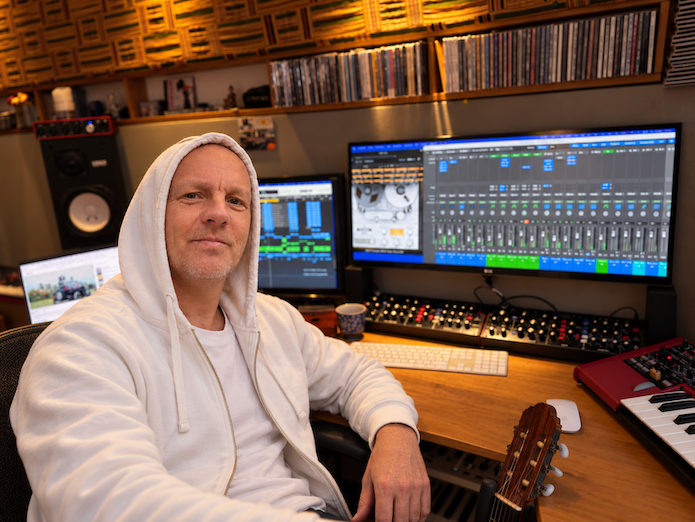
Mixing is like riding a bike: once truly learned, it stays with you. What grows through years of practice, curiosity and countless hours behind a mixing console does not simply disappear. When a love of music, listening, experience, imagination, creativity and musical instinct develop together over decades, they build deep neural connections. Once internalized, the feel for dynamics, balance, groove and sonic character can be called upon again even after a break.
After an extended break to focus on family, AMBER Recording Studio is back on the block! My years as an engineer working with large analogue consoles such as Neve and classic outboard gear give me a real advantage in today's digital world. Many know these sounds only from history books, plug-ins or old records – I know the original equipment firsthand. I spent years working its controls and shaping its sound across hundreds of mixes for artists and major labels: its warmth, dynamics and distinctive character. That knowledge lets me create in-the-box mixes with depth, personality and an analogue feel rather than a sterile software sound. With fresh ideas and more than 30 years of production experience, we're back and ready to shape exciting music.
Whether you need a track mixed or mastered, songs produced or creative support for an entire project, our team is here for you. We bring open ears, passion and the determination to get the very best out of every production. Music is our love.
Back, on the block, so we can rock
With the soul, rhythm, blues, be bop and hip hop